

Achieving and maintaining healthy, glowing skin is a long-term commitment, and Hydrafacial® treatments can play a key role in this journey. Whether you’re new to Hydrafacial® or have already experienced its transformative results, understanding the ideal treatment frequency is essential to maximise its benefits. This guide explains how often you should schedule sessions, how consistent treatments enhance your skin, and what adjustments to consider based on seasons or age.
How Often Should You Get a Hydrafacial®?
The recommended frequency for Hydrafacial® treatments varies depending on your skin type, concerns, and goals:
- General Maintenance: For most people, a Hydrafacial® every 4 to 6 weeks is ideal to maintain a healthy complexion and address common issues like dullness, uneven tone, and mild congestion.
- Specific Skin Concerns: If you’re targeting issues such as acne, pigmentation, or fine lines, your skincare professional may recommend more frequent treatments, such as bi-weekly sessions, initially. Once improvements are noticeable, sessions can be spaced out to the standard 4 to 6 weeks.
- Special Occasions: Schedule a Hydrafacial® 3 to 5 days before an event for that extra radiant glow.
Experience the future of skincare with Hydrafacial® Syndeo at VL Aesthetics in Carlisle – the first and only clinic in Cumbria to offer this advanced treatment. Whether you want to deeply cleanse, hydrate, or rejuvenate your skin, our expert team delivers personalised care for radiant, healthy results. Book your Consultation today and discover the Syndeo difference.
Benefits of Consistent Hydrafacial® Treatments
Regular Hydrafacial® sessions offer cumulative benefits that go beyond immediate results. Here’s how consistency can transform your skin over time:
- Improved Skin Texture and Tone: By consistently exfoliating dead skin cells and infusing hydrating serums, Hydrafacial® smooths rough patches, reduces redness, and creates a more even complexion.
- Enhanced Elasticity and Firmness: Regular treatments stimulate collagen production and improve hydration, helping to maintain skin elasticity and reduce the appearance of fine lines.
- Clearer Pores: Consistent extractions and deep cleansing prevent clogged pores, reducing breakouts and minimising blackheads.
- Increased Radiance: Ongoing hydration and antioxidant infusion leave your skin looking brighter and more youthful.
Seasonal Adjustments
Your skin’s needs can change with the seasons, and your Hydrafacial® schedule should adapt accordingly:
- Winter: Cold weather often leads to dryness and dullness. Scheduling monthly Hydrafacials can counteract these effects by providing deep hydration and restoring your skin’s natural glow.
- Summer: Sun exposure and increased oil production in warmer months may lead to congestion and pigmentation. More frequent treatments can help manage these concerns by exfoliating dead skin cells and protecting against sun damage with antioxidant infusion.
- Spring and Autumn: These transitional seasons are ideal for resetting your skin. Hydrafacial® can help address post-summer sun damage or prepare your skin for harsher winter conditions.
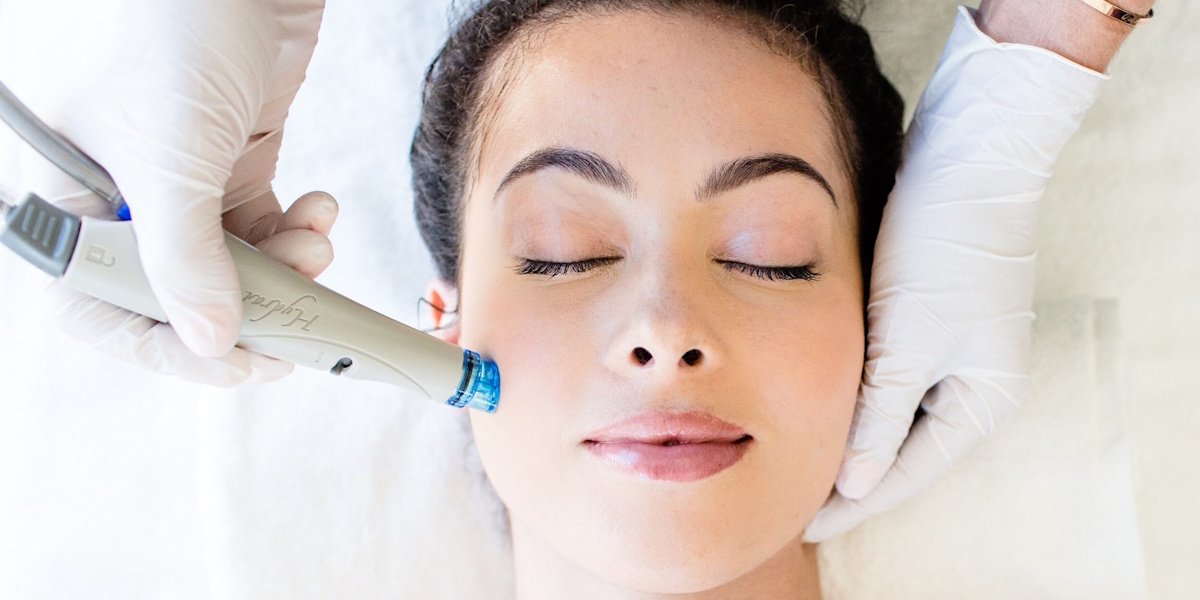
At VL Aesthetics in Carlisle, we’re proud to be the first and only clinic in Cumbria to offer Hydrafacial® Syndeo. This advanced treatment is ideal for addressing acne, pigmentation, and signs of ageing, delivering personalised care and instant, visible results. Book your Consultation today and see how Syndeo can transform your skin.
Age-Related Considerations
Your skin’s needs evolve with age, and your Hydrafacial® schedule can be tailored to reflect these changes:
- In Your 20s and 30s: Monthly Hydrafacials can help manage oil production, prevent early signs of ageing, and maintain a bright complexion.
- In Your 40s and 50s: As collagen production slows, Hydrafacials can support elasticity, hydration, and the reduction of fine lines. Adding custom boosters targeting anti-ageing concerns can enhance results.
- In Your 60s and Beyond: Prioritising hydration and skin health is key. Hydrafacials every 4 to 6 weeks can help combat dryness, improve texture, and maintain a radiant appearance.
How to Get the Most Out of Your Hydrafacial® Routine
To maximise the benefits of your Hydrafacial® treatments, consider the following tips:
- Commit to a Schedule: Consistency is crucial. Sticking to a regular schedule ensures cumulative benefits and long-term results.
- Complement Treatments with Skincare: Use high-quality skincare products recommended by your professional to extend the benefits of your sessions.
- Protect Your Skin: Always wear sunscreen to shield your skin from UV damage and maintain the effects of your Hydrafacial®.
- Stay Hydrated and Eat Well: Proper hydration and a balanced diet support overall skin health and enhance the effectiveness of your treatments.
Conclusion
Hydrafacial® is more than a one-time treatment—it’s an investment in your skin’s long-term health and radiance. By scheduling regular sessions and tailoring your routine to your skin’s needs, you can enjoy a glowing complexion at any age and in any season. Ready to transform your skin? Book your Hydrafacial® appointment today and discover the lasting benefits of consistent care.


